

Space-saving kids’ bedroom: how to organise bed, desk and storage in a few square metres
In a small kids’ bedroom every piece of furniture has to do two jobs: the bed stores, the desk keeps the view open, the shelves go up instead of out. Here is how to plan a space-saving kids’ bedroom where a child can sleep, study and keep things tidy in just a few square metres.
A space-saving kids’ bedroom starts with the bed, the piece that takes up the most floor: a storage bed, a wall bed or a bunk bed frees room for everything else. Then come a slim desk, open shelving and storage that grows upward instead of sideways.
This guide follows the order in which it pays to decide: room measurements first, then the bed and its safety, then desk, wardrobe and storage, and finally two children sharing a room. The photos come from the Arredare Moderno catalogue and show real products, with the sizes listed on the product sheets.
In short
- The bed is the first piece to choose: a storage bed, a wall bed or a bunk bed are the three ways to free the floor.
- A horizontal wall bed such as Kando by Itamoby is about 39 cm deep when closed and about 106 cm when open, according to retailer product sheets.
- The top bunk is not recommended for children under 6; bunk beds and high beds are covered by the EN 747 standard.
- A glass desk 100 or 120 cm wide and 55 or 70 cm deep takes up little space, even to the eye.
- Backless shelving, open wardrobe systems and storage benches use height and corners.
- For two children, compare a bunk bed, a double wall bed and a bridge composition.
How much space does a kids’ bedroom really have?
Small rooms differ a lot: a 6 sqm room needs different tactics from a 10 sqm one. For the tightest case see our guide to furnishing a 6 sqm bedroom with three layouts; for a little more room, read how to furnish a 10 sqm bedroom in a modern style. In both, the layout matters more than the number of pieces.
Before you open any catalogue you need four measurements:
- the longest free wall, which is usually the bed wall;
- the door and window, with the swing of the door leaf;
- the ceiling height, which decides whether a bunk or loft bed is possible;
- the clear space to leave in front of the wardrobe, as the guide to standard wardrobe dimensions explains.
Mark the measurements on a scale plan and, for anything that opens or folds down, draw the footprint when open too: that is where small bedrooms get stuck.
Which bed saves the most space in a small kids’ bedroom?
The bed takes up more room than any other piece, so it is the first choice to make. There are four options and each frees something different.
| Option | What it frees | What to check |
|---|---|---|
| Storage bed | Wardrobe space: bedding, duvets, toys | How the storage opens and how much room is needed around the bed |
| Horizontal wall bed | The floor during the day | Depth when open, wall fixing, clear space in front of the bed |
| Bunk bed | A whole sleeping surface | The children’s age, ceiling height, the EN 747 standard |
| Bridge bed or loft bed | The floor under the bed | Ceiling height, stairs or ladder, air and light in the upper zone |
The storage bed: space that disappears under the mattress
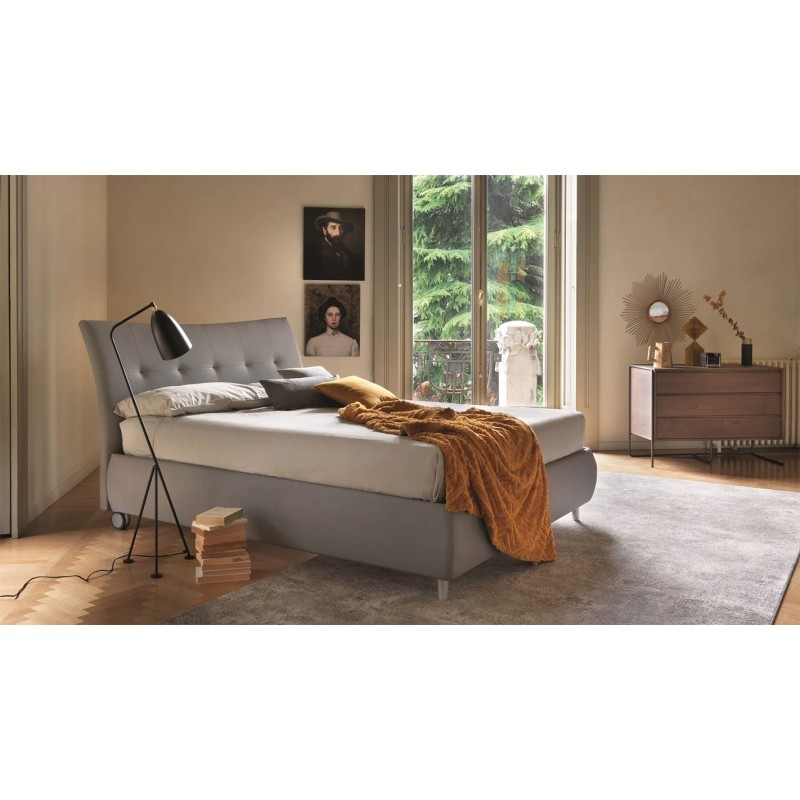
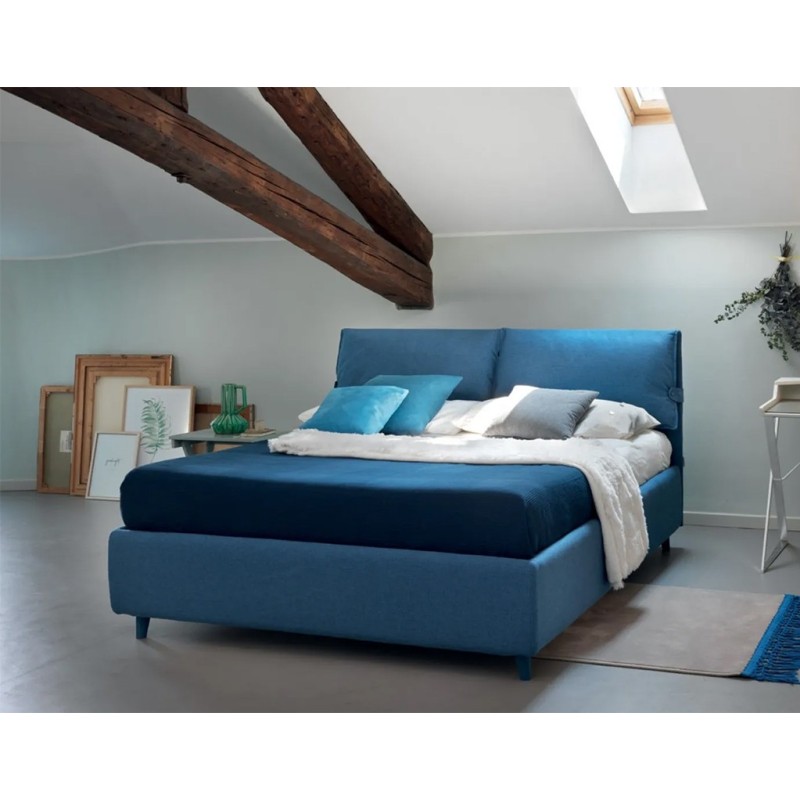
A storage bed turns the area under the mattress into a low wardrobe. Allison by Ergogreen is a single version with a wooden frame, an upholstered bed surround and headboard, and a slatted base included; the mattress is 90×190 or 90×200 cm, according to the product sheet. Beatrice, also by Ergogreen, comes in the same single size with storage. In both cases the covering is chosen from several fabric or leather finishes.
It works best when the wardrobe is already full: seasonal bedding and larger toys find a home without extra furniture. The price is the space around the bed, because the storage has to be opened: keep at least the access side clear.
The wall bed: a room that changes during the day
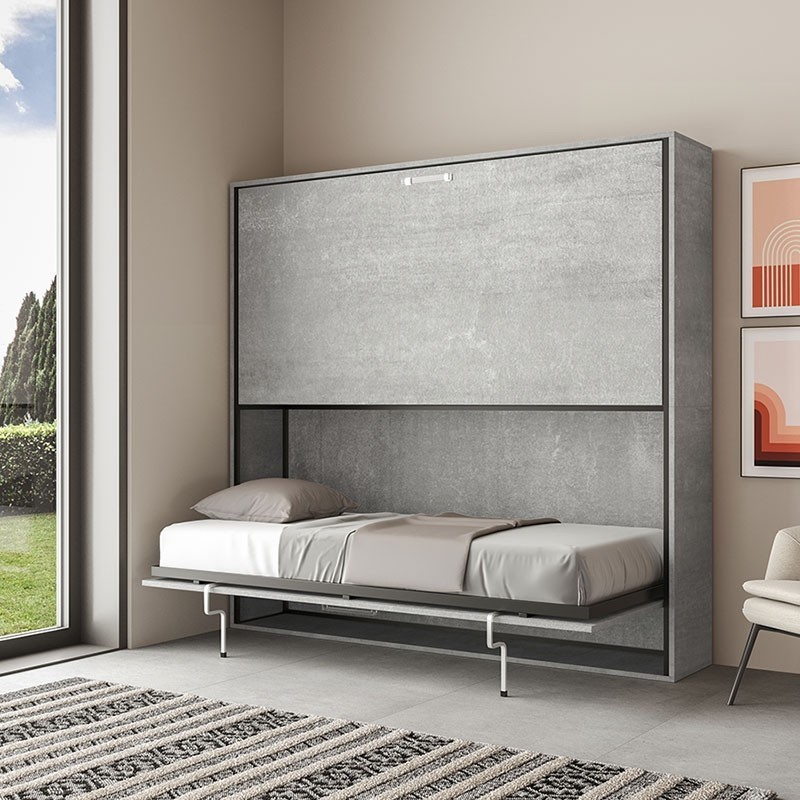
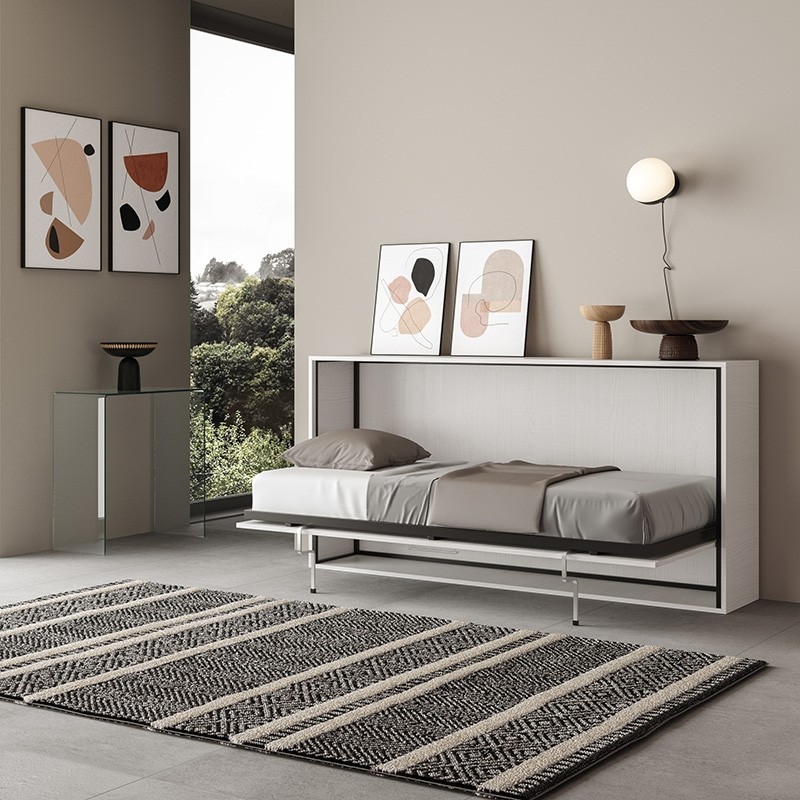
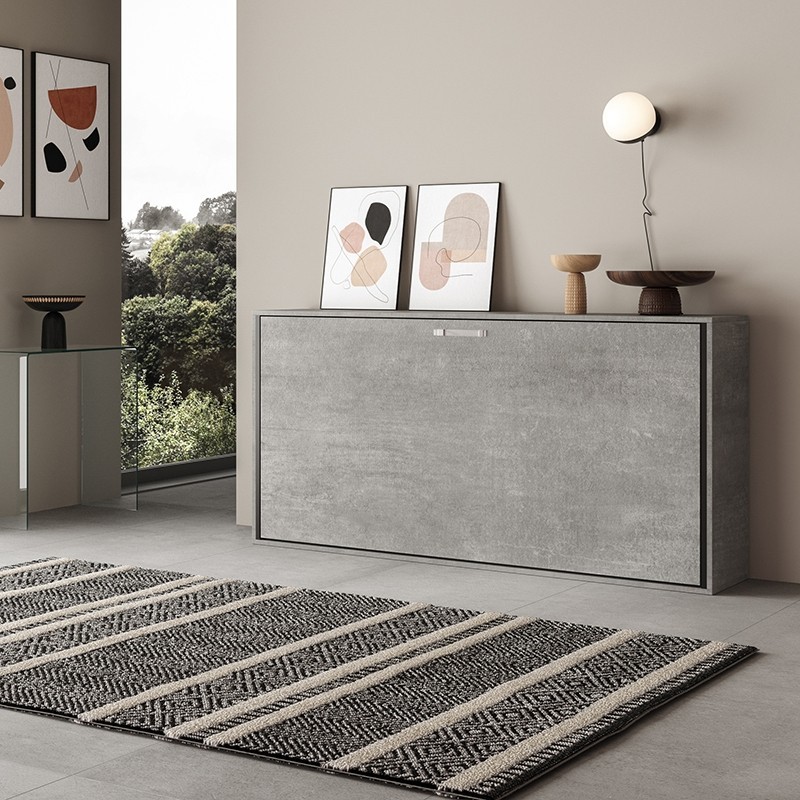
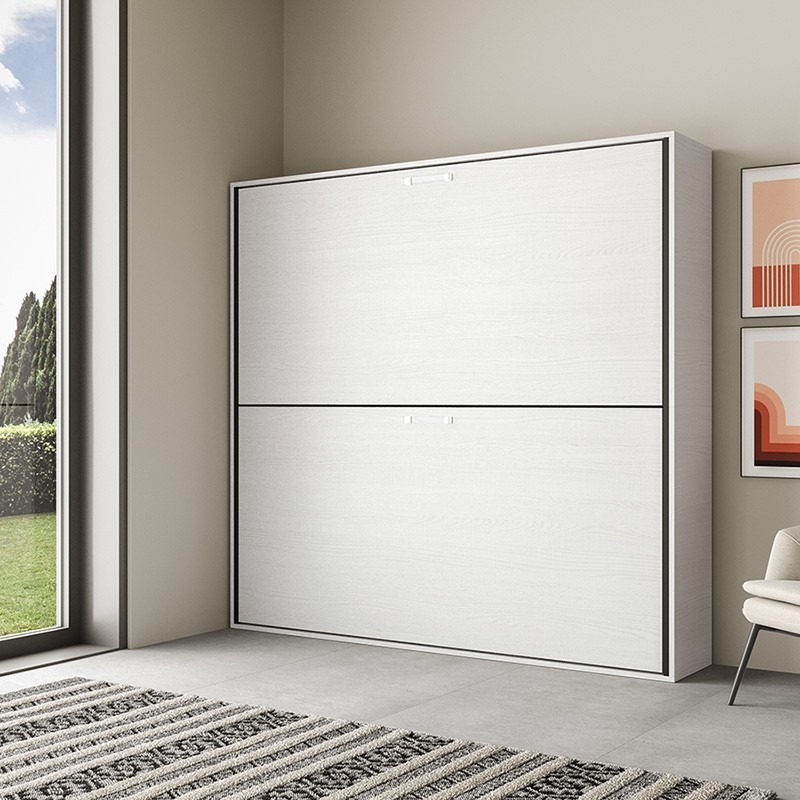
A horizontal wall bed folds up against the wall and leaves the floor free until evening. Kando by Itamoby is made of wood with a slatted base, offers a waterfoam mattress as an accessory and comes in walnut, concrete, ash white and cashmere finishes. There is a single and a double: the double is made of two single beds stacked as bunks.
Product sheets published by European retailers list Kando at about 39 cm deep when closed and about 106 cm when open, about 200 cm wide, with a recommended 85×185 cm mattress. The same sheets say the bed must be fixed to the wall and assembled by two experienced people. Check these figures on the product sheet of the model when you buy, because they can change with the version.
In practice an open bed takes up about a metre of floor: mark 106 cm on the floor with masking tape and check that the door, wardrobe and desk can still be reached.
Bunk beds, bridge beds and loft beds: an extra level
When the ceiling is high, the bed can go up. A bunk bed stacks two beds; a bridge bed sits under a run of wardrobes and storage units, as we explain in bridge bedrooms for children and adults; a loft bed moves the sleeping area up and leaves a study corner or a wardrobe underneath, as in the closed loft. It frees the most floor area and asks for the most attention to safety.
How do you use a bunk bed or high bed safely?
For bunk beds and high beds the reference is the EN 747 standard (BS EN 747 in the UK), made up of one part on safety, strength and durability requirements and one on test methods; both were updated in 2024. Before buying, check three things:
- Compliance: the maker declares compliance with EN 747 and supplies instructions for use.
- Age: under 6, the lower bunk is the better choice; the same warning appears in instructions from several manufacturers and in specialist guides.
- Mattress: on the top bunk use a mattress no thicker than the maker states, because an overly thick mattress cuts the effective height of the guard rail.
A wall bed such as Kando must also be fixed to the wall, as the model sheets require. If the wall is plasterboard, have a fitter check the fixing point before you order.
Which desk takes up the least room in a kids’ bedroom?
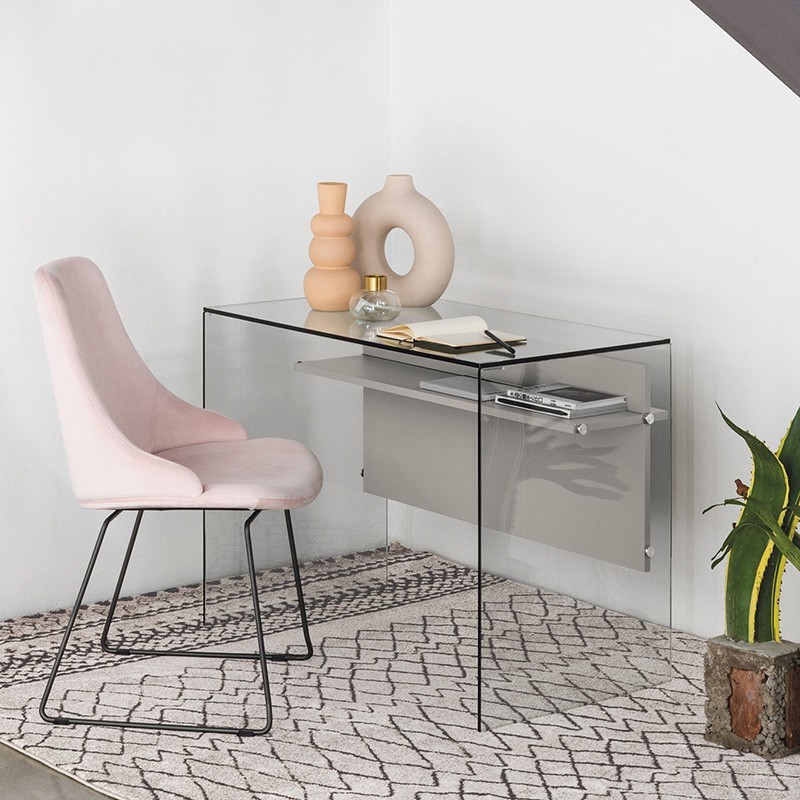
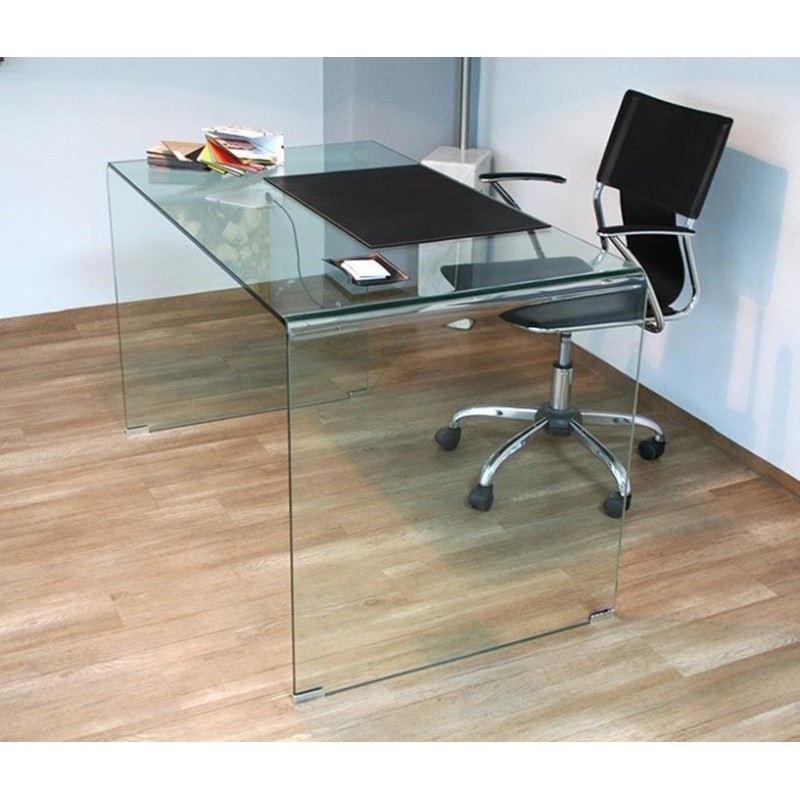
The lightest desk is the one you notice least. Glass frames let the eye carry on to the floor and the wall, which is why they work in small rooms. Glassy by Itamoby has a curved-glass frame and comes in two sizes, 120×70 cm and 100×60 cm, both 75 cm high. Scriba by Pezzani has a 10 mm tempered-glass frame with aluminium inserts and a lower shelf in laminate, and measures 100×55 cm or 120×55 cm, also 75 cm high; it has a drawer for notebooks and stationery too.
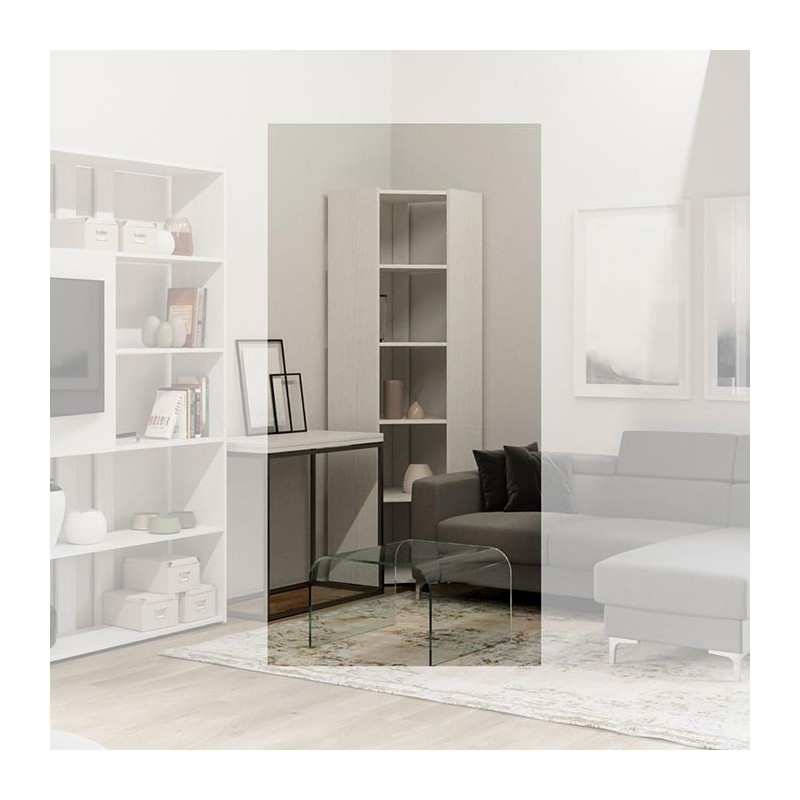
A depth of 55 cm is the most compact; at 70 cm there is room for a monitor in front of the student. If the room has a free corner, a corner bookcase such as Kato by Itamoby, backless and available in two compositions, can frame the work surface with shelves on two walls. Put the desk near the window, with natural light coming from one side.
How can you use the room’s height for wardrobe and storage?
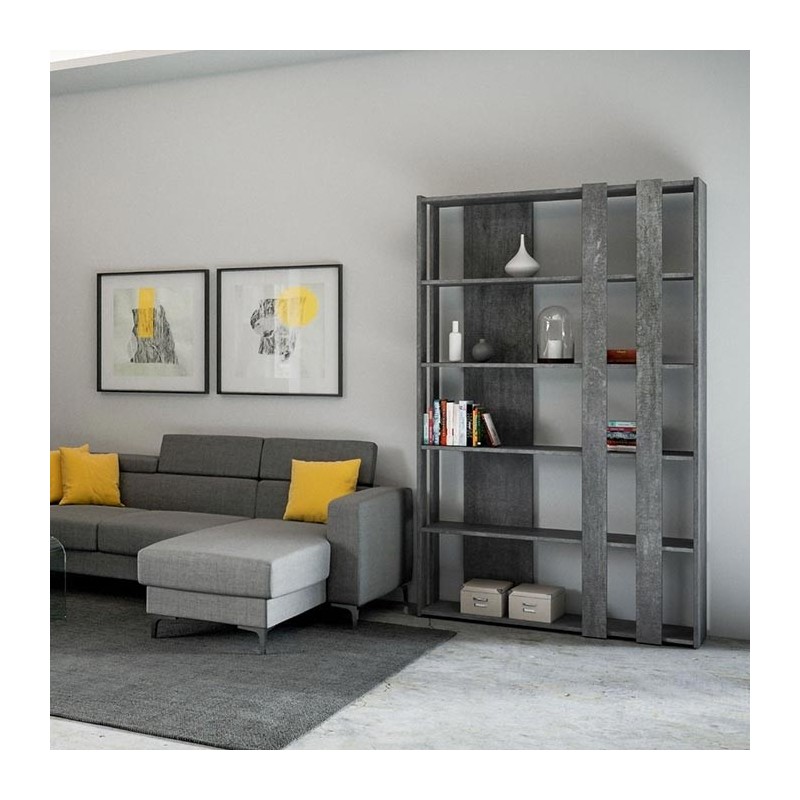
Where the floor runs out, the wall takes over. A backless wall bookcase such as Kato Small by Itamoby, with shelves in wood particleboard in ash white, walnut and concrete and three models (A, B and E), keeps books and boxes at eye level without closing the room in.
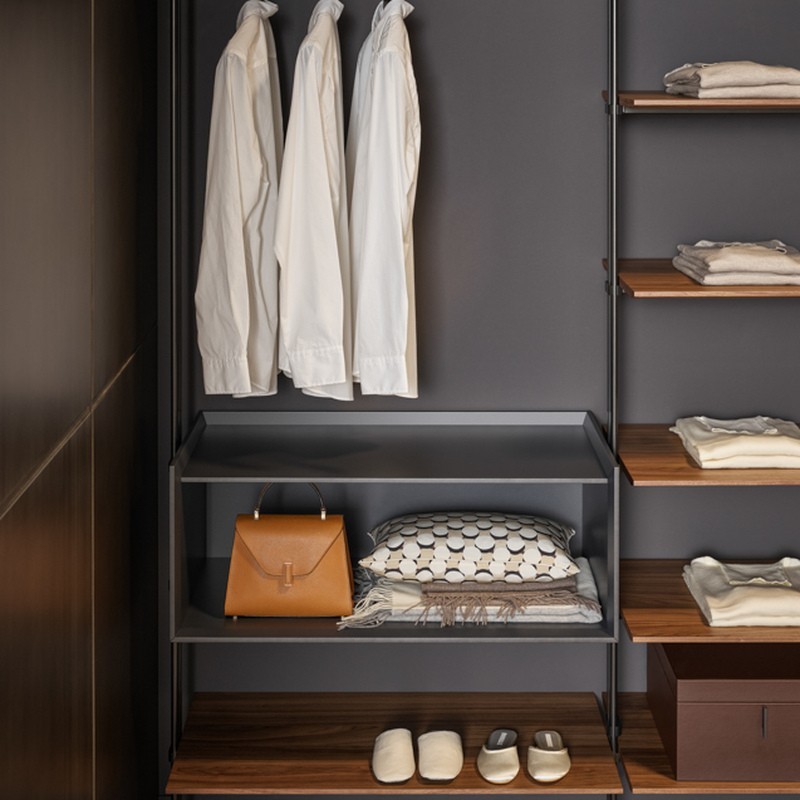
For an older teenager’s clothes you can move to an open system. Roll by Bonaldo, designed by Dondoli and Pocci, has a lead-grey metal frame and shelves in lacquered lead-grey wood or Canaletto walnut, in six reference compositions. With no doors there is no swing space to find, but it needs tidiness: it suits people who keep clothes folded. To match wardrobe and bed, read also the golden rules to match wardrobe and bed.
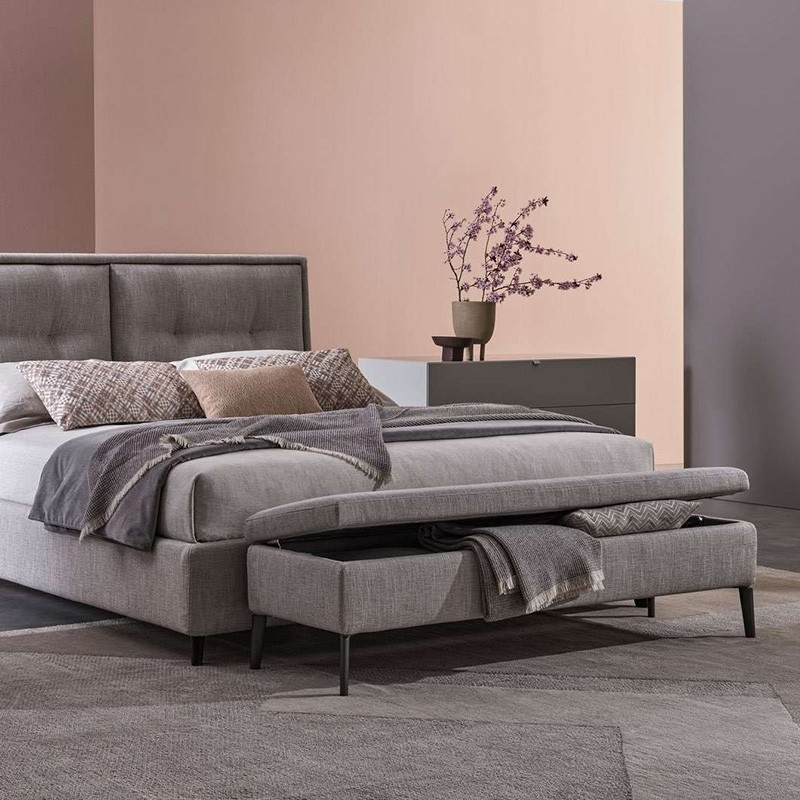
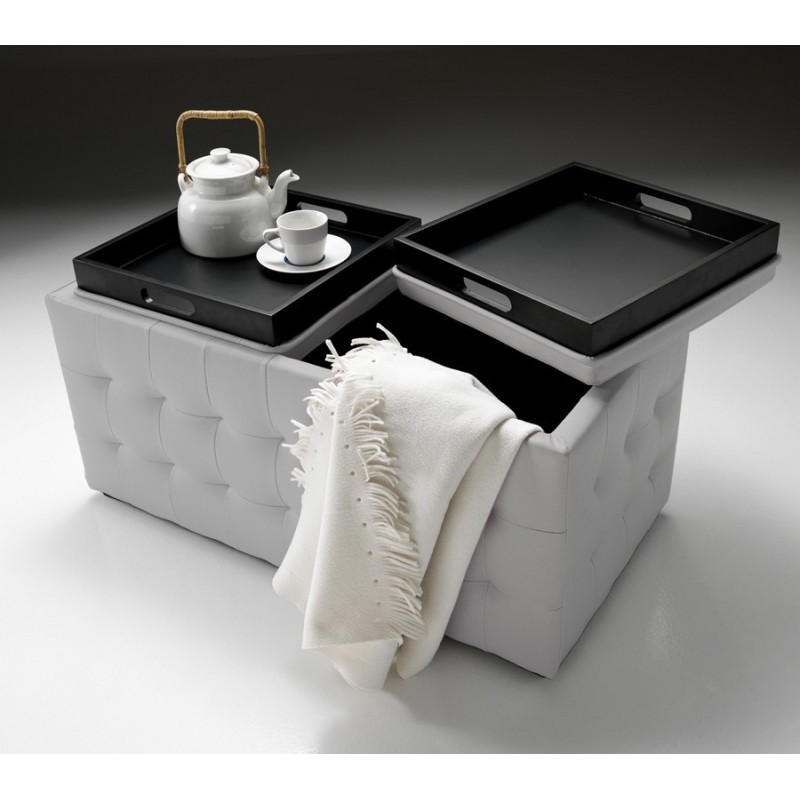
The corners and the foot of the bed are space to win back with an upholstered storage bench such as Coffer by Twils, which has polyurethane foam padding and comes in several sizes, or with a double storage pouf such as Dizzy by Tomasucci, whose lid also works as a tray. They are where blankets and toys usually end up.
How do you organise a bedroom for two children?
With two beds the problem doubles and the answer, as a rule, is still an extra level. There are three routes: the bunk bed, which in some models splits into two single beds as the children grow (we cover this in ideas for a shared children’s room); the double wall bed, such as Kando in the version with two single beds stacked as bunks, which closed is about 39 cm deep according to the sheets; or the bridge composition, with wardrobes above the beds.
Each child should have a shelf and a drawer of their own. The study area can be shared, with two workstations side by side at the window, which leaves the longest wall free.
Which mistakes should you avoid in a space-saving kids’ bedroom?
- Choosing a wall bed without measuring its footprint when open.
- Putting a mattress thicker than the maker’s limit on the top bunk.
- Placing a wardrobe with hinged doors where the open bed blocks them.
- Filling the walls with low shelves and leaving the space above empty: shelving should climb towards the ceiling.
- Buying everything for today’s age: children grow, and pieces such as bunk beds that split in two or modular shelving adapt.
- Forgetting light: a desk lamp and a reading light for the bed take up no floor space.
Frequently asked questions
What is the most space-saving bed for a small kids’ bedroom?
It depends on what you need to free. A wall bed frees the floor by day (Kando, according to the sheets, is about 39 cm deep when closed), a storage bed frees the wardrobe and a bunk bed frees a whole sleeping surface.
From what age can a child sleep on the top bunk?
Specialist guides and the instructions of several manufacturers say 6 years: before that the lower bunk is better. Check the instructions of the model and its compliance with EN 747.
How do you furnish a small bedroom for two children?
A bunk bed, a double wall bed and a bridge composition are the three options to compare; the study area is shared, with two workstations, and each child has a shelf of their own.
Before ordering, measure the room, choose the bed, check its footprint when open and its safety, then add desk and storage in the order the space allows. That way the bed decides where you walk, the desk finds the light and the storage fills what is left.