
Luxury furniture: the Italian brands to know and the pieces that define them
Updated October 2026
In luxury furniture the brand comes last. First you notice leather that ages well, curved glass without distortion, hand stitching, a door that closes silently. The company name confirms what your hands have already understood.
Italian luxury furniture is recognised by its materials and workmanship before its logo: leather and hide, glass, treated metals, woods and ceramics worked with craft precision. In this guide we line up the Italian brands that best represent this idea of luxury, with the piece that proves it.
At a glance
- Contemporary Italian luxury is about material and craftsmanship, not decoration.
- Glass: Fiam and Tonelli Design. Leather: Enrico Pellizzoni. Tailored upholstery: Cantori and Arketipo.
- Cattelan Italia, Bonaldo and Bontempi Casa bring luxury to the dining area with ceramic, steel and crystal.
- Driade and Capod’opera are the choices for sculptural, customised pieces.
- Before buying: technical sheet, finish samples, production times and support.
What makes furniture truly luxurious?
Three things, in order: material, workmanship and durability. Luxury furniture uses materials that improve or stay intact over time, such as leather, tempered or curved glass, marble and large-format ceramic. Workmanship shows in the details an industrial product tends to simplify: stitching, edges, joints, layered padding. Durability depends on the ability to repair, reupholster and replace.
Style matters less than you might think. A minimal glass piece can be more precious than heavily decorated furniture: the difference lies in the quality of the material and of the hands that worked it.
Italian luxury furniture brands to know in 2026
Cantori
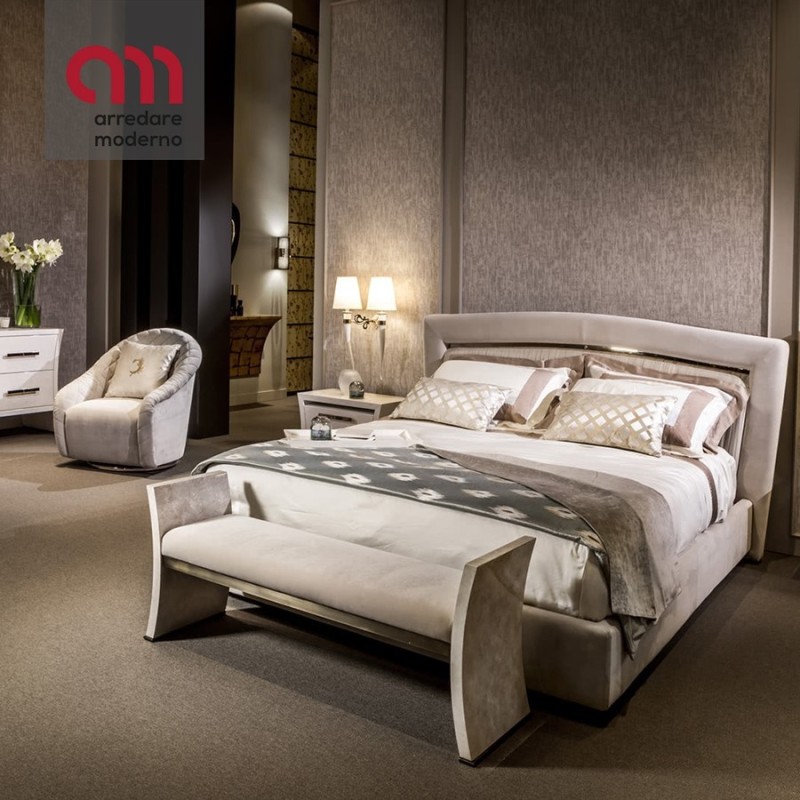
A company from the Marche region that began with ironwork, Cantori has brought craft care to upholstery too. The Portofino Plissé bed is upholstered by hand in pleated satin combined with velvet, fabric or leather: luxury built on craftsmanship.
Cattelan Italia
Cattelan Italia has put large-format ceramic and crystal at the centre of the dining room. The extending Premier Keramik Drive table has a steel base and a ceramic top in various finishes; the Arizona Crossing sideboard shows the same taste for contrasting materials.

Fiam
Fiam works curved glass like few others in the world. The Ghost armchair by Cini Boeri, made from a 12 mm sheet, is the piece that made the company famous: luxury of transparency and of an invisible technique.
Tonelli Design
Tonelli Design has also built its identity on glass, often combined with wood. Its collections entrust different designers with pieces that play on the purity of the material: tables, cabinets and mirrors where the sheet becomes structure.
Enrico Pellizzoni
The Enrico Pellizzoni brand is linked to leather, used for seating and accessories with strong character: a warm, tactile luxury that grows richer with use.
Arketipo
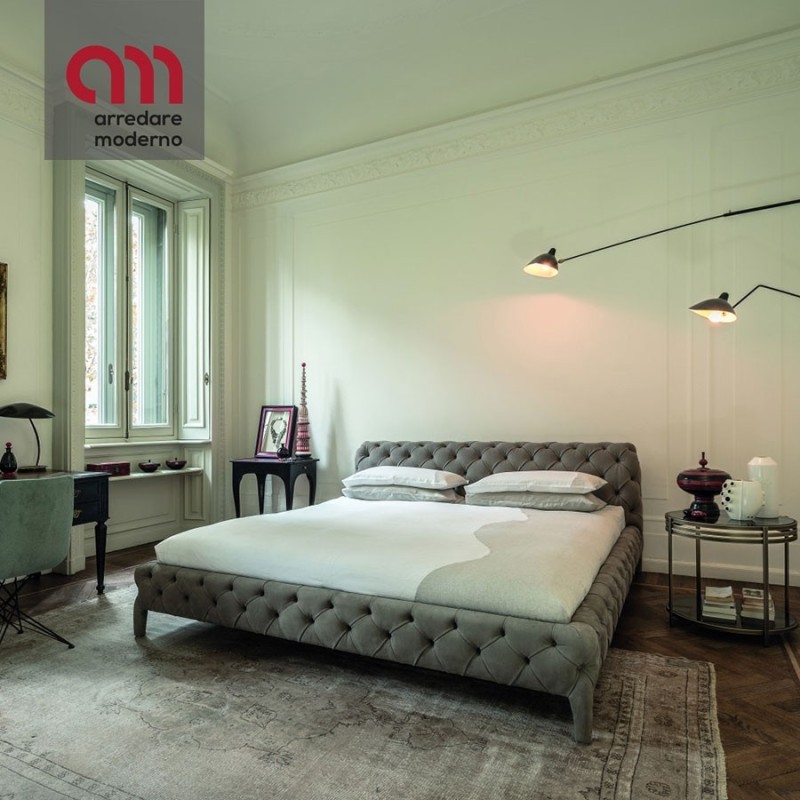
Arketipo brings fashion tailoring into the living room and bedroom. The Windsor Dream collection by Manzoni and Tapinassi, with buttons sinking into the padding to draw regular diamonds, reinterprets British elegance in contemporary proportions.
Désirée
Désirée interprets luxury as enveloping comfort. The Tuliss armchair and the sofas designed by Roberto Gobbo focus on soft volumes, feathers and high-end removable covers.
Bonaldo
Bonaldo, active since 1936, combines crystal, steel and upholstery in a recognisable language. Alain Gilles’ Big Table and Mauro Lipparini’s Fluff bed show two sides of the same brand: graphic structure and softness.
Bontempi Casa
Founded in 1963 by brothers Alessandro and Giancarlo Bontempi, the company is now synonymous with customisable tables and seating. The Antares sofa, with a wooden base and fabric or leather upholstery, brings the same care to the living area.

Driade
Founded in 1968 by Enrico and Antonia Astori with Adelaide Acerbi, Driade has always been an aesthetic laboratory. The Nemo armchair by Fabio Novembre, a large mask sculpted in polyethylene, is a collector’s piece more than a seat.
Capod’opera
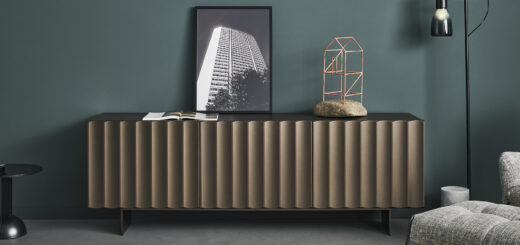
Capod’opera, founded in 1992, takes its name from the masterpiece an apprentice presented to medieval guilds. The Aero sideboard, with its wave pattern and brass details, represents a luxury of customisation and precious finishes.
How to choose luxury furniture without mistakes
- Ask for samples. Leather, fabrics, metals and lacquers change a lot from photo to home lighting.
- Read the technical sheet. Thicknesses, treatments and padding composition say more than any description.
- Check production times. Many pieces are made to order: weeks, sometimes months.
- Think about maintenance. Removable covers, spare parts and manufacturer support extend the life of the piece.
For a wider overview of contemporary brands, see our ranking of the best modern furniture brands; for tables, the best designer table brands; for outdoor luxury, ideas for a modern luxury terrace. New collections are presented every year at the Salone del Mobile.Milano.
Frequently asked questions
Which are the best-known Italian luxury furniture brands?
Among those we cover, Cattelan Italia, Fiam, Cantori, Arketipo, Driade, Bonaldo and Désirée are among the most recognised for materials and workmanship.
What is the difference between luxury and designer furniture?
Designer furniture is defined by the project; luxury furniture by the quality of materials and workmanship. They often coincide, but not always.
Can luxury furniture be customised?
Almost always: finishes, covers and sizes are often configurable, because many pieces are made to order.
Is it worth buying luxury furniture online?
Yes, if the retailer is authorised by the manufacturer and provides the full technical sheet and finish samples before ordering.