

90 × 200 cm bed: how much space does the frame really need?
A wall is two metres long and the mattress measures 200 cm. It sounds like a perfect fit, until the bed frame arrives. The missing centimetres are usually in the headboard, the footboard or the upholstered surround. For a 90 × 200 cm bed, the mattress size is only the starting point: the overall dimensions determine whether it fits.
It helps to separate three measurements: the sleeping surface, the complete frame and the space needed to use the bed. All measurements below are in centimetres. Check the actual product specification rather than assuming that a named bed size has identical dimensions in every market.
What does 90 × 200 actually describe?
Normally, it describes the mattress size the bed is intended to accommodate. It does not tell you the outside width and length, the thickness of an upholstered headboard or the position of the feet. Two frames made for the same mattress can occupy different areas of floor.
Ask for the maximum external dimensions of the exact configuration you are considering. A photograph or the dimensions of another version in the same collection will not answer that question. Include any projecting shelves, headboard wings or side panels.

The three measurements to put on your plan
| Measurement | What it tells you |
|---|---|
| Mattress: 90 × 200 | The intended sleeping surface. |
| Overall frame width and length | The footprint of the complete bed. |
| Space around the bed and open storage | Whether you can move, change the bedding and use nearby furniture. |
Height matters too, particularly under a window or a sloping ceiling. Measure the finished mattress height separately from the headboard height; they answer different questions.
A simple calculation for a narrow bedroom
Imagine a room 260 cm wide, a wardrobe 60 cm deep and a bed with an external width of 105 cm. The remaining gap is 260 − 60 − 105 = 95 cm. This is an illustrative calculation, not the dimensions of a featured product or a recommended minimum passage.
Those 95 cm are the gross space between the furniture. A wardrobe door opening into it, a bedside shelf or a curtain can reduce what is usable. A frame that is 216 cm long also needs 216 cm of floor, even though the mattress is only 200 cm long. For the other side of the calculation, see our guide to wardrobe dimensions and opening space.
Against the wall or accessible from both sides?
Putting one long side against a wall can leave a clearer central route. The trade-off is making the bed: reaching the far edge may become awkward. Think about who will use the room and who will change the sheets, rather than treating a neat floor plan as the final answer.
Access on both sides may make everyday use easier, but it consumes more room. Test both arrangements with the wardrobe, desk chair and bedroom door in place. In a compact layout, our guide to a 9 m² bedroom helps you compare complete arrangements instead of shrinking every piece of furniture.
Storage beds need an opening plan
Under-bed drawers need space to slide out and somewhere for you to stand. A drawer that opens only part way may be difficult to fill or clean. Draw its fully open position on the floor, including any projecting handle.
A lifting base needs a different check: follow the manufacturer’s opening and clearance instructions, including the space above and around the mechanism. Do not assume that removing side drawers removes every clearance requirement. Nearby shelves and window handles can still interfere.
Try the room before ordering
Mark the maximum frame outline with removable tape suitable for your floor. Add the wardrobe door arc and the pulled-out desk chair. Then walk the routes you actually use, carrying a laundry basket, and try reaching the window and sockets.
Finally, check the delivery route and the dimensions of the largest component, not just the assembled bed. The best-fitting 90 × 200 bed is not the one that only just fits a wall: it is the one you can bring in, assemble and use without reorganising the room every morning.
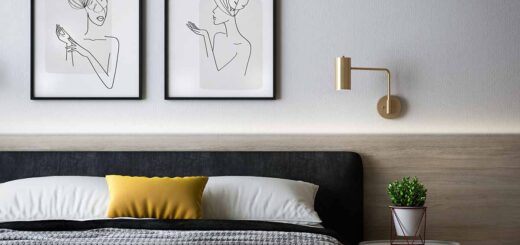
Featured image: Max single bed, Twils. Photo credit: www.arredaremoderno.com.