

Sofa seat depth: how to tell whether it will work for you
Two sofas can be equally deep on a floor plan and feel completely different when you sit down. On one, your back reaches the cushion naturally; on the other, you slide forward or add another cushion behind you. Sofa seat depth is the usable space in front of the back support, not the sofa’s overall depth.
That distinction matters both for comfort and for arranging the room. A generous-looking sofa may have a substantial back structure that takes up part of its external footprint.
Three depth measurements to keep separate
| Measurement | What it describes |
|---|---|
| Overall depth | The complete sofa from its furthest front point to its furthest back point. |
| Usable seat depth | The surface available between the front edge and the back support in the chosen configuration. |
| Maximum depth in use | The space with moving backs, footrests or other elements extended. |
Ask which measurement is shown in the technical drawing. A single depth figure cannot tell you all three, and the answer may differ between modules in the same collection.
Measure with the actual back cushions in place
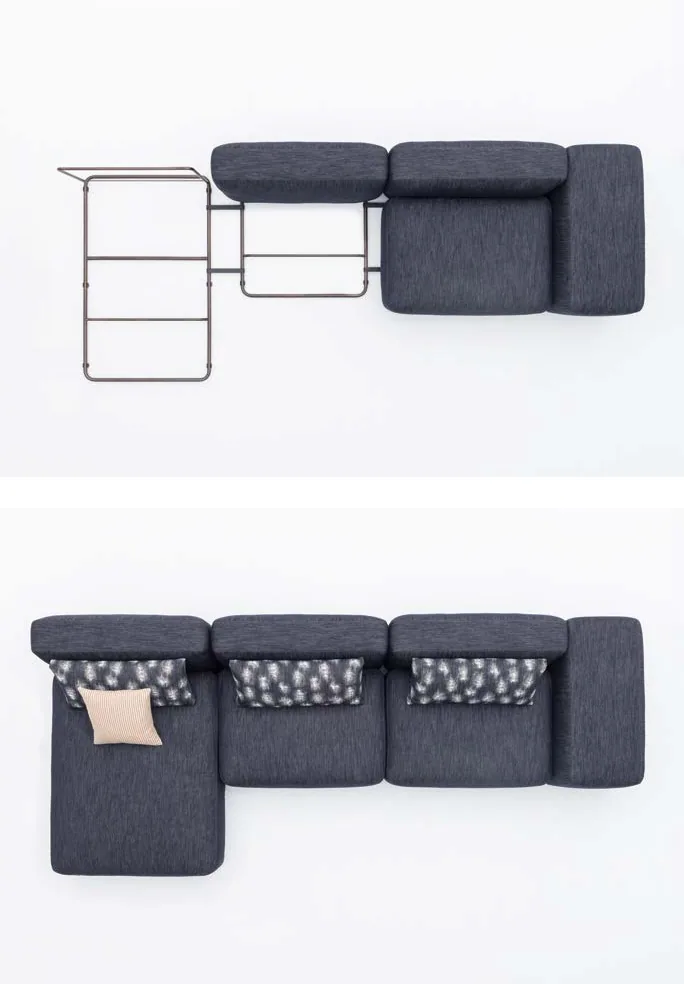
A platform may be deep, but a thick back cushion reduces the portion available to the sitter. Measure the normal arrangement, including the cushions supplied for that configuration. Do not compare one sofa with its back cushion removed against another with all cushions in place.
As a simple illustration, an 80 cm platform with a cushion projecting 20 cm over it leaves about 60 cm before anyone sits down. Real shapes, angles and compression make the sitting experience more complex. These figures are not an ergonomic prescription or measurements of the photographed product.
Test three everyday positions
First, sit upright for a conversation with your back supported and feet in the position that feels natural. Notice whether you keep shifting to find support. Then try your usual relaxed position for watching television. Finally, try putting your legs up if that is how you use the sofa.
A sofa chosen mainly for lounging may feel different during an upright conversation. There is no reason to pretend one position represents every activity. Prioritise the uses that happen most often in your home.
Different people may need different support
People of different heights and proportions can experience the same seat differently. Test with the household members who will use it, rather than relying on one person’s impression. A loose support cushion can change the usable depth, but check whether you want to adjust it every time.
Seat height, back angle and cushion firmness also influence how the depth feels. For this reason, choosing by one number alone is unreliable. If a particular physical condition affects your seating needs, obtain individual advice rather than treating a furniture guide as a medical recommendation.
Moving backs need room behind the sofa
An adjustable back can offer several sitting depths, but it may increase the maximum footprint. Ask for the dimensions in every operating position and check the movement near a wall, curtain or window.
If the sofa will stand close to glazing, read our guide to a sofa under or in front of a window. Access to handles and curtains still matters when the back is extended. A mechanism should not rely on pushing another piece of furniture out of the way each time.
Bring the measurement back into the room plan
Draw the overall sofa, then add its maximum operating position. Only after that should you assess the routes around a coffee table or towards the dining area. The guide to placing the sofa and dining table helps connect seat choice with circulation.
Check the delivery route too. A modular arrangement may arrive in separate pieces, but the largest component still has to pass through doors and turn on landings. Use the supplier’s component and packaging dimensions, not just the finished sofa drawing.
The most useful question in the showroom
Instead of asking only “How deep is it?”, ask: “What is the usable seat depth with these cushions, and what changes when the back moves?” Then sit long enough to try your normal activities. The right answer is a combination of a clear specification, a convincing personal trial and a footprint that leaves the room usable.
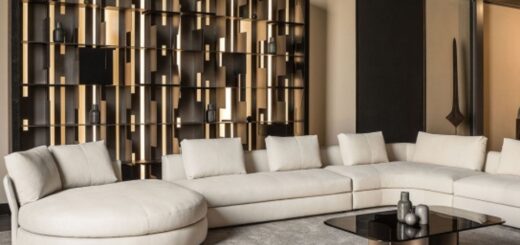
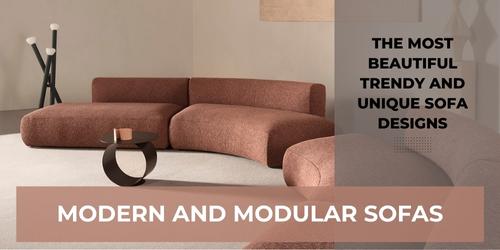
Featured image: Melvil sofa, Désirée. Photo credit: www.arredaremoderno.com.