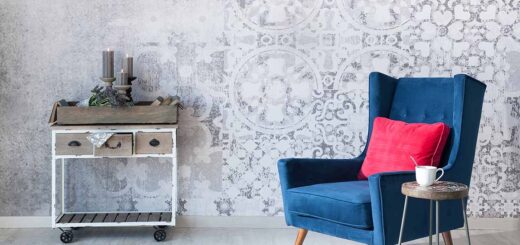


Greige colour: what it is, how to choose it and what goes with it
Anyone who finds white too cold and beige too yellow ends up, sooner or later, at greige. It is the most versatile neutral of the contemporary home, as long as you know how to read its undertone.
The greige colour is a neutral halfway between grey and beige: it combines the brightness of light grey with the warmth of beige, which is why it suits almost any room, style and light. It works on walls throughout the house, on floors and on large pieces of furniture, and pairs with white, black, pale wood, sage green, powder blue and brass.
At a glance
- Greige blends grey and beige: a warm, light, luminous grey.
- Every greige has an undertone, green, pink or yellow, to be chosen according to the room’s light.
- Compared with taupe, it is lighter and less brown.
- Safe pairings: white, matt black, pale oak, sage green, powder blue, brass and tan leather.
- It is ideal for continuous walls across different rooms, because it changes little with the light.
What colour is greige?
The name joins grey and beige. It is a light grey warmed by a touch of beige, or a beige cooled by grey, depending on which of the two prevails. In textiles the word originally described raw fabric, not yet bleached or dyed, and the natural colour of the fibres stayed in the name.
Greige became popular because it solves a practical problem: brilliant white can feel cold and clinical, beige risks turning yellow under artificial light. Greige sits in the middle and stays stable, both in morning light and under lamps in the evening.
Greige or taupe: what is the difference?
They are close relatives, but not the same. Taupe has a stronger brown base and is usually darker: it creates cosy, enveloping rooms. Greige is lighter and more neutral, with a gentle beige component: it makes a space feel larger. A practical rule: choose greige for a bright backdrop on which to layer furniture and colour, taupe for a more enveloping atmosphere.
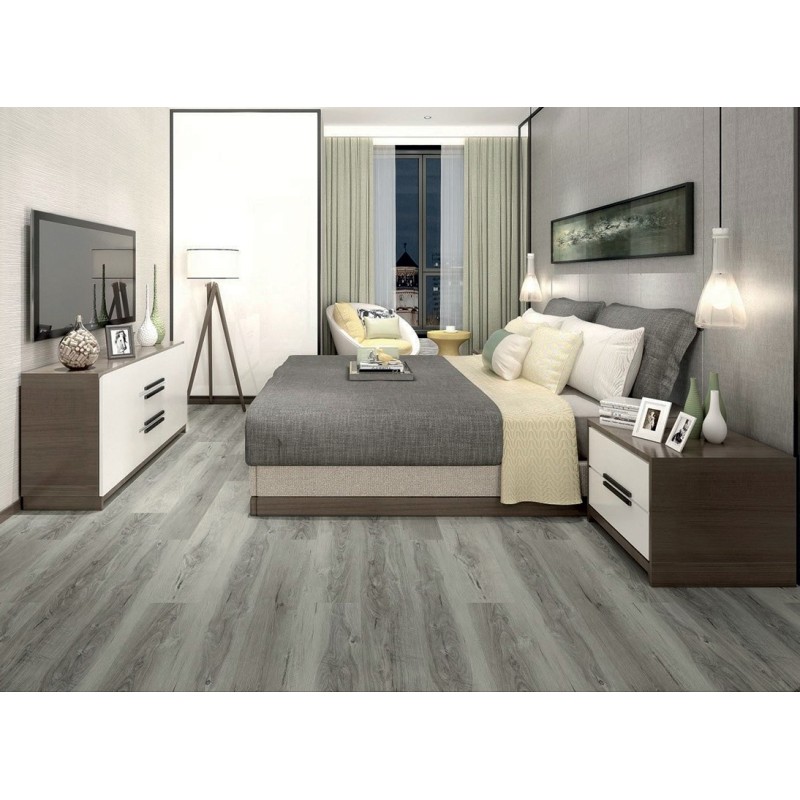
How to choose the right greige for your walls
Every greige has an undertone, a hidden tint that emerges in certain light. There are greiges with a green undertone, fresher and suited to south-facing rooms that get plenty of warm light, and greiges with a pink or yellow undertone, warmer, which offset the cool light of north-facing rooms. To spot it, simply hold the sample next to a sheet of white paper: the undertone becomes obvious.
Before painting, try a sample of at least one square metre and look at it at different times of day and with the lights on. Greige is also a good choice for painting the hallway, corridor and living room in one continuous colour, because it changes little from room to room and brings the home together. For a range of cooler shades, see our guide on how to choose the right grey for your walls.
What colours go with greige?
Greige is a backdrop, so the pairings depend on the effect you want.
Greige, white and black
Off-white on ceilings and frames and matt black on lamps, handles and frames create a graphic, contemporary look. It is the softer version of a black and white scheme.
Greige and dusty colours
Sage green, powder blue, dusty pink: desaturated tints that, with greige, create delicate palettes for bedrooms and bathrooms.
Greige, wood and natural materials
Pale oak, rattan, linen, tan leather and brushed brass warm greige up and make it welcoming. It is the most common combination in contemporary interiors, somewhere between Nordic style and warm minimalism.
Greige furniture and floors
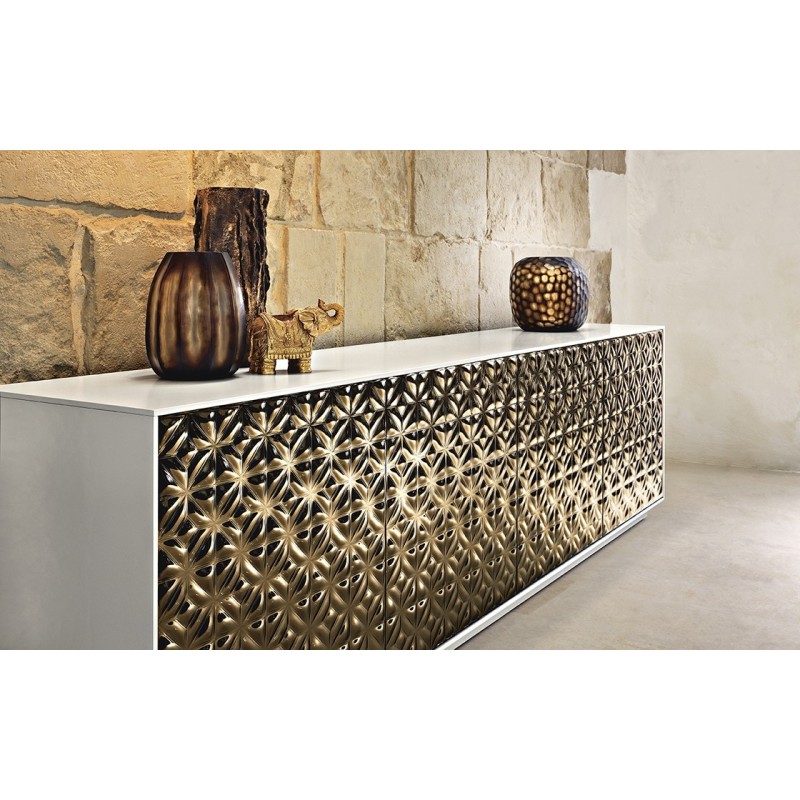
Greige is not just for walls. In the Arredare Moderno catalogue it appears, for example, on Boxer’s Smart Wood SPC flooring in greige, a wood effect with a rigid core protected against scratches, stains and UV rays, and in the metallic greige finish of Fiam’s Echo sideboard with glass doors. On large pieces such as sofas and upholstered beds, greige is a choice that lasts for years: you change the mood with cushions and throws without replacing the furniture.
If greige feels too neutral, platinum brings more precious reflections, while beige leans warmer. To choose the rest of the palette, see our 10 colour palettes for the home, the guide on how to choose a sofa colour and our piece on total white interiors, if you want to push towards white.
Frequently asked questions
Is greige a warm or cool colour?
It is a neutral that leans warm, but it depends on the undertone: greiges with a green tint look fresher, those with a pink or yellow tint warmer.
What is the difference between greige and beige?
Beige has a yellow or sand base; greige adds grey, so it looks more neutral and is less likely to turn yellow under artificial light.
Does greige work in a bedroom?
Yes, it is one of the most restful bedroom colours. With white linen bedding and a darker fabric headboard it creates a cosy yet bright room.
What colour sofa goes with greige walls?
A cream sofa gives a tone-on-tone effect, a charcoal or midnight blue one adds depth, a tan leather one adds warmth. Avoid a sofa in exactly the same greige as the walls.
Is greige good for a dark home?
Yes, if you choose a light version with a warm undertone: it reflects light well without turning dull and grey like a cold white.
For the origin of the word in textiles, see the greige goods entry on Wikipedia.