

How to clean brass: gentle methods, tarnished brass and polishing
Door handles, lamps, coffee table legs, taps: brass is back in many modern interiors. Cleaning it is easy, as long as you first work out which finish you are dealing with and leave the harsher kitchen-cupboard remedies where they are.
How to clean brass? Always start with the gentlest method: brush off the dust with a soft brush, wash with lukewarm water and mild soap, rinse and dry thoroughly. Only if the piece is solid, unlacquered and tarnished do you move on to light polishing with a very mild abrasive paste, finishing with a thin coat of wax. Vinegar, lemon, salt and ammonia are often recommended, but conservators warn that they can corrode the alloy.
In short
- Brass is an alloy of copper and zinc: bright, warm and more resistant to air than copper, but it darkens with dust, grease and fingerprints.
- Lacquered brass or brass with a protective finish: a damp cloth and mild soap only, no polish.
- Tarnished solid brass: a paste of precipitated calcium carbonate and water, then rinse and dry.
- Avoid: vinegar, lemon, salt and vinegar, ammonia, car or stainless steel polishes, scouring pads.
- To keep it looking good: cotton gloves when handling, regular dusting and a thin layer of microcrystalline wax.
What is brass and why does it tarnish?
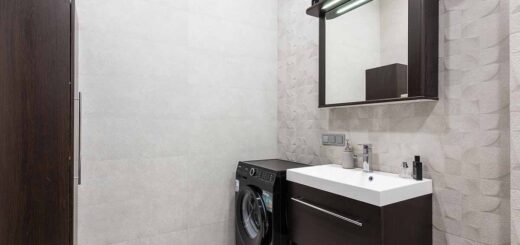
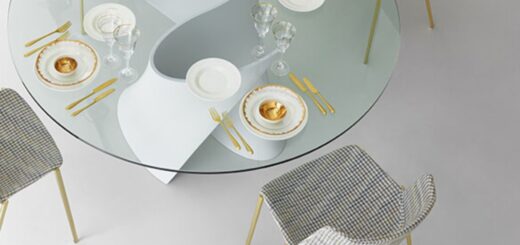
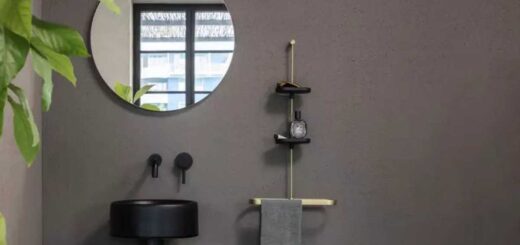
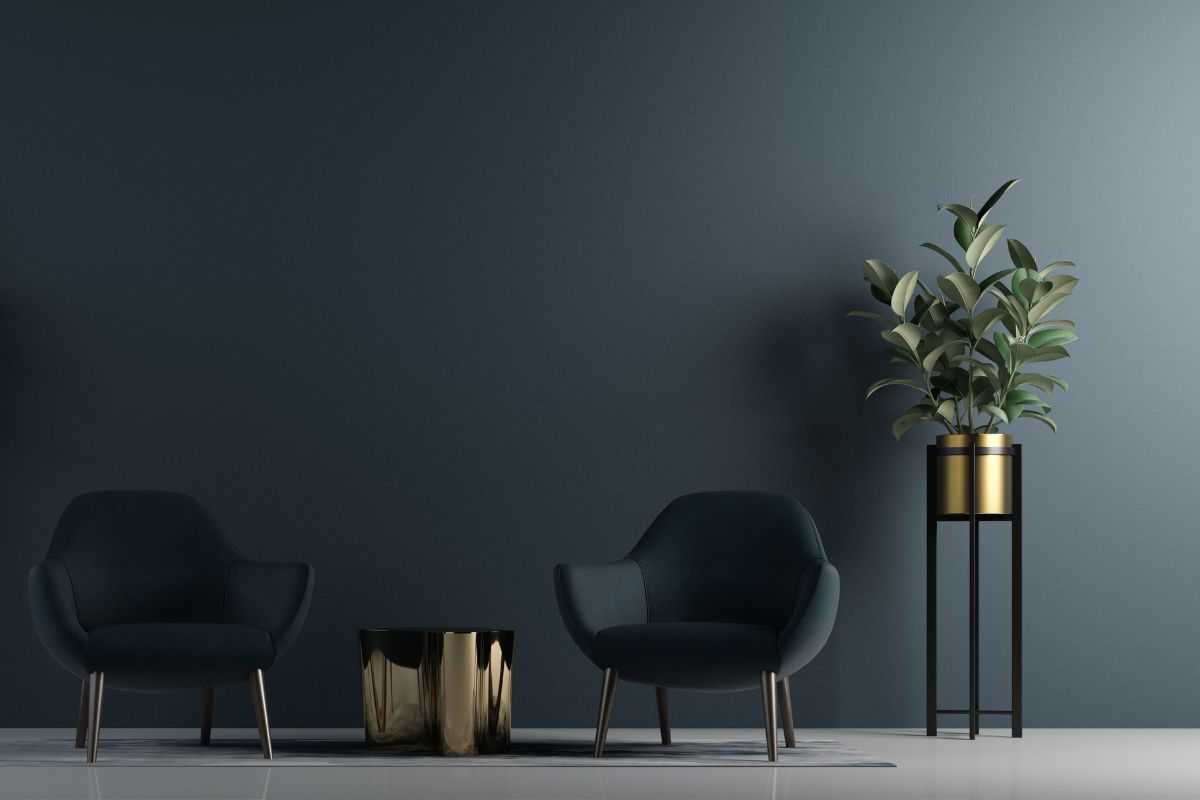
Brass is an alloy made mainly of copper and zinc. The Canadian Conservation Institute (CCI) uses cartridge brass, 70% copper and 30% zinc, as its reference example, and the Italian Treccani encyclopaedia notes that common brass can contain up to 45 to 50% zinc and resists air, even humid air, better than copper. Many metal finishes can enrich an interior design project, and brass is among the most widely used for its brightness, its resistance to corrosion and its workability: you will find it on furniture, accessories and even wall coverings.
That warm colour does not stay the same forever, though. The CCI’s technical notes name grease, dust, polish residues and fingerprints as causes of corrosion. So it pays not to leave too long between cleans: everyday handling and built-up dust speed up tarnishing.
Solid, plated or lacquered brass: how can you tell?
- Unprotected solid brass: over time it darkens unevenly, especially where it is touched. It can be polished gently.
- Lacquered or varnished brass: it has a clear film that stops tarnish. The Copper Development Association explains that clear coatings prevent further oxidation of copper, brass and bronze, but degrade over time and eventually need stripping and replacing. Polish it and you wear away the protection.
- Brass-effect finishes on another metal (plating, PVD, coatings): the layer is thin and an abrasive can expose the base metal underneath.
The safest way to know is the product sheet or the manufacturer’s care instructions: if the finish is described as lacquered, protected or PVD, treat it as lacquered. If in doubt, clean without polishing.
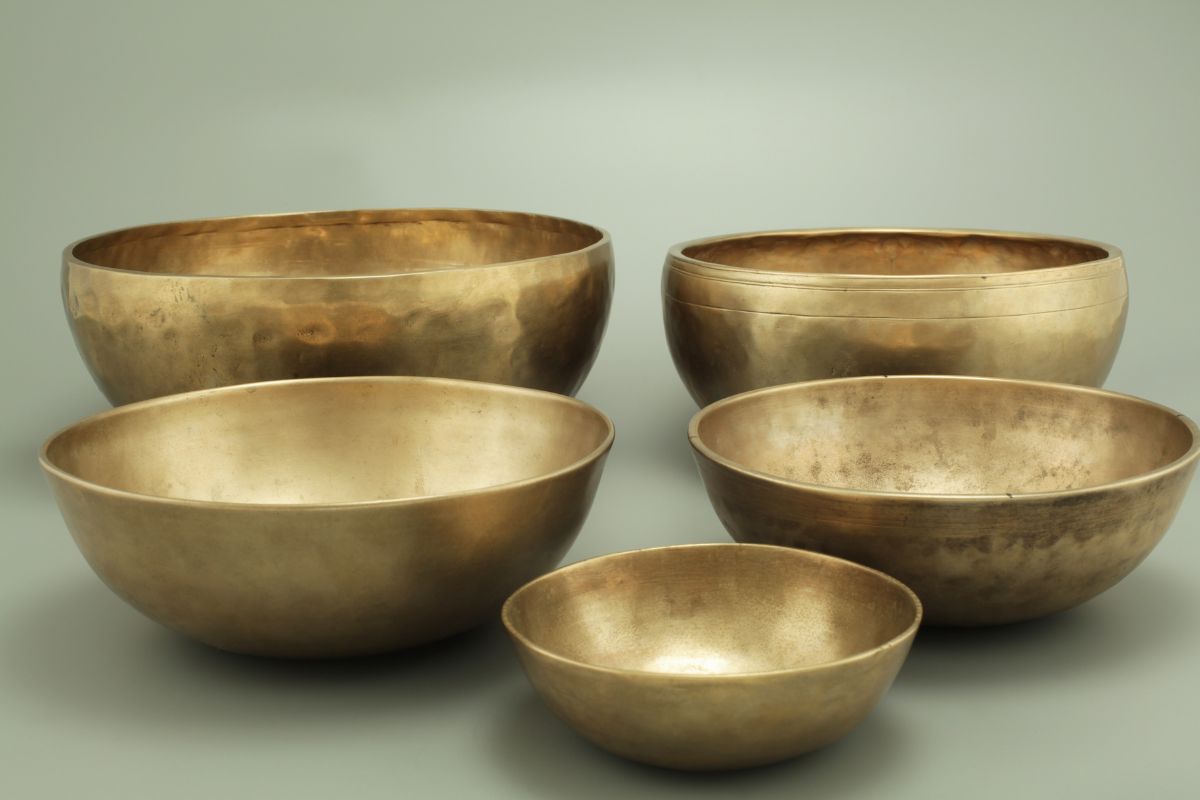
The surface look matters too. Polished brass is shiny and bright; brushed brass has a striated, textured, matt surface; bronzed brass is more matt with a deeper colour. Hammered, natural, frosted and sculpted brass are also widely used in interiors. On brushed and bronzed finishes, vigorous polishing changes the original effect: a gentle wash is all they need.
How to clean brass at home, step by step?
Work from the lightest touch to the firmest and stop as soon as the result is good enough.
- Remove the dust with a soft-bristled brush or an old toothbrush, without rubbing the dust into the metal.
- Wash with lukewarm water and mild soap, such as Marseille soap dissolved in a bowl. Apply it with a soft cloth or, on more stubborn dirt, a soft toothbrush. Never use scouring pads or stiff brushes, as they scratch the surface.
- Rinse well: detergent residues can themselves leave marks.
- Dry straight away with a soft, lint-free cloth, including corners and decorative details.
For lacquered or protected brass, that is the whole job. On solid brass, if dark patches remain after washing, move on to polishing.
How to clean tarnished or blackened brass?
Tarnished brass needs a very fine abrasive, used sparingly and patiently. The CCI note on brass and copper suggests starting with a paste of precipitated chalk (precipitated calcium carbonate) and water on a soft cloth; alternatively a jeweller’s cloth or a wadding polish, used carefully to avoid scratches.
- Mix powder and water into a soft cream.
- Work in small circles over the whole surface, without going over the same spot again and again, and change the pad often.
- Stop often to check: every polish removes a little metal and, repeated many times, wears away fine detail.
- Rinse, clear powder residues from crevices and dry carefully.
If the brass shows pinkish or reddish areas, the problem is different: dezincification, the loss of zinc from the alloy described in the CCI note linked above. Mild cases can be polished away; in severe cases the piece is weakened and should be assessed by a conservator.
Vinegar, lemon, baking soda and ammonia: do they really work?
They cut through grime and bring the colour back fast, but they are not the safest choice for brass. The CCI note on dezincification lists among the causes polishes containing citric acid, the salt and vinegar mixture used for cleaning, and ammonia-based polishes: both acids and alkaline solutions can strip zinc from the alloy. The CCI guide to cleaning, polishing and waxing brass adds that many metal polishes contain ammonia, which can dissolve copper in some conditions.
- Vinegar and lemon, alone or with salt: best avoided, especially as a soak.
- Vinegar and ammonia: rule it out. Besides the risk to the alloy, ammonia should only ever be used with good ventilation.
- Baking soda and toothpaste: these are abrasive powders of unknown hardness. We found no support for them in the technical sources we consulted; if you try them, test a hidden spot first and never use them on lacquered or plated brass.
How to polish brass and protect it after cleaning?
Solid brass pieces that are not tarnished only need light polishing: a jeweller’s cloth or the same calcium carbonate paste, followed by a clean cloth. The shine lasts longer if you then add a protective layer.
The CCI recommends a clear microcrystalline wax, without synthetic components such as polyethylene, applied evenly and buffed with a lint-free cloth. Wax acts as a barrier while it stays intact and is renewed when the brass starts to dull again. For pieces that were lacquered originally and whose lacquer has worn, the same source advises using a specialist company, as applying and removing lacquer is difficult.
Brass handles, lamps and taps: what changes?
Mostly the finish, which on mass-produced pieces is almost always protected. So the manufacturer’s instructions come first.
- Handles: for handles with its Superfinish protective treatment, the Italian maker Olivari recommends regular cleaning with a cloth dampened with water and asks you to avoid polishes, abrasives and alcohol, which damage the protective layer. It is a sound rule for any handle with a protected finish.
- Lamps: unplug the lamp, dust stems and bases often and, for dirt, use a barely damp cloth without wetting the electrical parts.
- Taps: the finish is nearly always treated, so follow the manufacturer’s cleaning instructions. Drying after use prevents water marks and detergent residue.
Nearby surfaces have their own rules too: the advice on how to clean lacquered furniture without damage applies to the top a lamp stands on, and the same goes for caring for wooden furniture with metal details.

How to clean lacquered brass without damaging it?
Lukewarm water and mild soap on a soft cloth are enough, followed by rinsing and drying. No polish and no abrasive pastes: they would remove the lacquer, and the exposed metal would tarnish in patches. If the lacquer is cracked or lifting, call a specialist who will strip the old coat and apply a new one.
Which method should you choose? A quick table
| Situation | What to do | What to avoid |
|---|---|---|
| Lacquered, varnished or protected brass | Damp cloth, mild soap, drying | Polishes, abrasives, alcohol |
| Solid brass, slightly dull | Wash, jeweller’s cloth, microcrystalline wax | Frequent, vigorous polishing |
| Tarnished or blackened solid brass | Precipitated calcium carbonate paste, rinse, wax | Vinegar, lemon, salt, ammonia, car or steel polish |
| Brushed or bronzed finish | Gentle wash only | Polishing that changes the effect |
| Pinkish or reddish patches | Light polishing if mild, a conservator if extensive | Acids and alkaline solutions |
How to keep brass clean for longer?
A few habits save you most of the hard work:
- dust often, since dust and grease are the main causes of tarnish;
- handle pieces with clean cotton gloves: the CCI recommends them because they stop moisture, salts and oils from your fingers reaching the metal;
- renew the wax when the brass starts to dull again;
- store pieces you are not using away from damp.
If you are choosing new furniture with metal details, ask about the finish first: our guide to furniture materials and how to care for them helps you know what to ask, and a good reference for seeing many brass finishes on lamps, coffee tables and accessories is the Arredare Moderno catalogue. If you love the warm glow of metal, browse the most iconic Italian design lamps too.
Sources
- Canadian Conservation Institute, CCI Notes 9/3, The Cleaning, Polishing and Protective Waxing of Brass and Copper.
- Canadian Conservation Institute, CCI Notes 9/13, Preventing and Treating the Dezincification of Brass.
- Copper Development Association, Finishes (clear coatings).
- Treccani, Ottone (in Italian).
- Olivari, care and maintenance instructions (in Italian).